
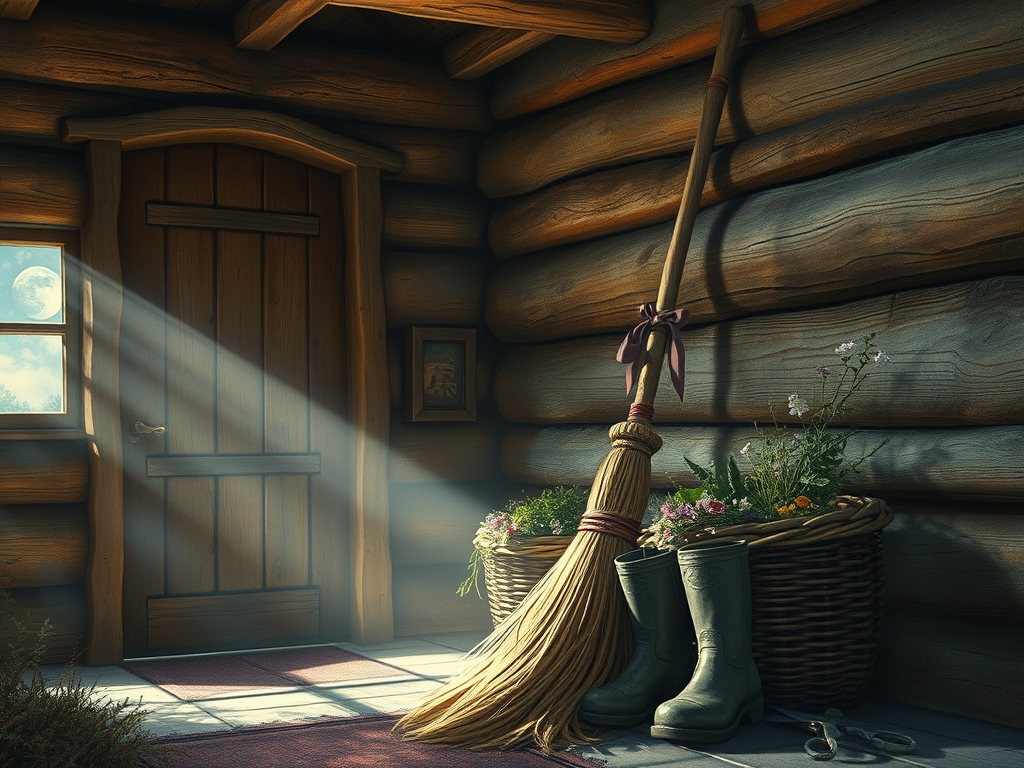
What the F*ck Magic: The Besom (a.k.a. The Witch’s Broom)
Welcome to the very first installment of What the F*ck Magic, where we take those “WTF?” moments you might have as a novice (or curious observer) in the witchy and magical community and break them down into real-talk, “I get it now!” explanations.
Whether you’re new to magic, witchcraft, or you’re just curious about the weird and wonderful tools witches use, consider this your front-row seat to everything spelled, stirred, and (sometimes) set on fire.
And what better place to start than with one of the most iconic symbols in witchcraft history: the besom (aka the witch’s broom). No, we’re not talking about your grandma’s cleaning broom—though it might look suspiciously similar! Let’s dive in.
What Exactly Is a Besom?
A besom is traditionally a handcrafted broom made with natural materials like a wooden handle (often ash or oak) and bristles of broom straw, herbs, or twigs (frequently birch or willow). These days, modern besoms can range from polished artisan pieces with ribbons and crystals to something that looks like you snatched it straight from a medieval cottage.
But why do witches love this thing so much? Short answer: energy clearing. The besom is used to sweep away unwanted vibes, both literally and spiritually.

The History of the Witch’s Broom
- Medieval Myths & Flight
You’ve probably heard the old folklore about witches zooming across moonlit skies on their broomsticks. While flying is more legend than reality (sorry to burst any Quidditch dreams), the broom legend ties back to local traditions of dancing with brooms during rituals—sometimes even while hopped up on herbal concoctions. - Fertility & Ceremonies
In some European traditions, the besom was used in wedding rituals. Couples would “jump the broom” as a symbolic gesture of leaping into married life. This helped tie the broom to themes of home, hearth, and new beginnings. - Craft & Community
Broom-making was once a local craft, and families often made their own for both practical and magical purposes. Over time, the image of a broom became intertwined with the image of a witch.

How Do Witches Actually Use a Besom Today?
- Cleansing Rituals
A common modern practice is to symbolically sweep away negative energy from sacred space before casting a circle or performing spells. You don’t even have to touch the floor—just a gentle sweeping motion through the air can do the trick. - Protective Barrier
Some folks like to hang a besom above a door (bristles facing up or down) to protect the home from unwanted energies. It’s like a magical “No Soliciting” sign, but way cuter. - Seasonal & Festive Decor
They can also be decorative. Tying ribbons and herbs to your besom for certain festivals (Beltane, Samhain, etc.) gives it both magical and festive flair. - Jumping the Broom
While not everyone does this, it’s still a meaningful practice in some pagan and witchy weddings—symbolizing a leap into a new life phase.
Besom Fun Facts
- The Word “Besom”
This old-school word simply means “broom,” usually with bristles made from twigs or straw. No rocket science here—just a fancy name for an everyday item with magical oomph. - Personal Touch
Many witches prefer to make or decorate their own besom, imbuing it with personal energy, charms, and significance. If you see a besom with cute ribbons or crystals, it’s usually a reflection of that witch’s personality. - Not Just Indoors
Some witches use a besom to cleanse their garden or porch spaces. If you’re seeing a neighbor swooshing a small, rustic broom over their potted plants, you now know what’s up.

Wrapping Up & Looking Ahead
So there you have it: the besom—one of the most recognizable but often misunderstood witchy tools. Whether you use it to symbolically sweep negative energies out the door, or you just love it for the vibe, the besom is a practical, powerful, and yes, pretty darn magical staple in many witches’ arsenals.
But hold on to your hats (and brooms), because we’re just getting started. Coming up next in our What the F*ck Magic series:
“Terms Used for Ingredients in Spells and Rituals. Where These Terms Come From and Why We Still Use Them Today.”
From “eye of newt” to “dragon’s blood,” we’ll break down what those cryptic, sometimes gruesome-sounding labels are really about. Get ready to uncover the not-so-spooky truths behind these traditional names!
Stay curious and keep that wand (or besom) handy. Until next time!
Join the conversation!