
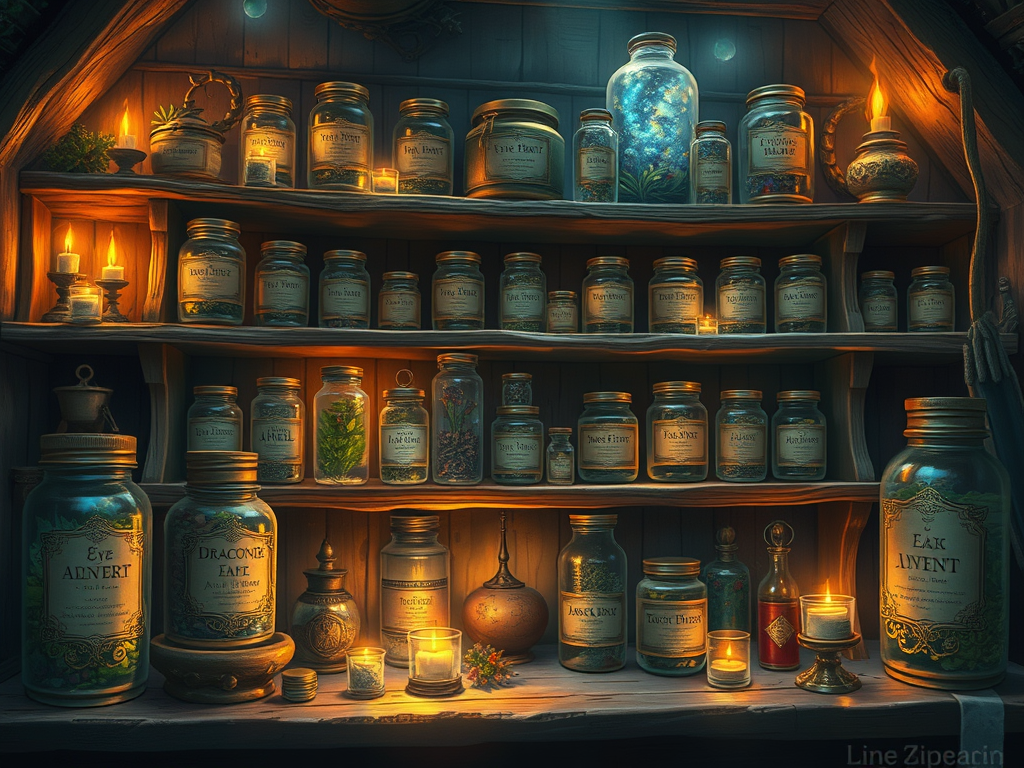
Welcome to the next installment of What the F*ck Magic, where we take those “Wait, what?” witchy moments and break them down in plain English. You may have stumbled upon some cringe-worthy (or downright bizarre) ingredient names in your journey—like “eye of newt” or “dragon’s blood”—and thought, “This is where I tap out.” Trust us, don’t bail yet! It’s about to make a lot more sense.

What’s Up with These Weird Names?
Before you start making frantic calls to your local newt sanctuary, let’s clear the air:
- “Eye of Newt,” “Toe of Frog,” “Wing of Bat”
These terms weren’t always (and often aren’t) literal. In many cases, these whimsical names were code for common herbs, seeds, or other natural materials. - Plant-Based Potions
Many of these old-timey ingredient labels referred to the plant’s appearance or folk name. For instance, “eye of newt” was said to be mustard seed, because the seeds are small and round—resembling tiny eyes. - Secrecy & Safety
Historically, witches and herbalists sometimes used coded terms to keep their craft private, especially during times when being labeled a “witch” could put you at real risk.
A Quick History Lesson
- Folk Medicine & Recipe Codes
In many communities, the local healer or “cunning person” was responsible for remedies. They often used creative or downright mysterious names to protect their knowledge (and sometimes to keep it away from prying authorities). - The Witch Trials Era
During periods of intense persecution, using cryptic names for ingredients could be a life-saving practice. A donkey’s hoof might actually be a type of fungus; “adder’s tongue” could refer to a flowering plant. - Oral Tradition
A lot of this knowledge was passed by word of mouth. Over generations, terms got mixed, replaced, or just plain made up! Hence the patchwork of unusual monikers we’re left with today.
Why Do We Still Use Them?
- Heritage & Respect
These terms are part of a living tradition that has survived for centuries. When we keep them alive, we’re honoring the witches, healers, and folk magicians who came before us. - Magical Vibration
Let’s be real: Some of these names just feel magical. They carry a certain energy or mystique, which can be valuable when setting the mood for a ritual. Sometimes, half the magic is in the mind. - Alchemy of Language
Words have power, especially in spellcraft. Using symbolic or archaic terms can help create a heightened, sacred atmosphere. Think of it like painting a mood with language—some folks love that old-world vibe. - Preservation of Knowledge
Even if we no longer need to hide, these old codes often contain hints about how an ingredient was used historically. “Eye of newt” might not help you on a grocery list, but it does remind you of the original folklore and context behind the herb.

Common “Weird” Ingredient Names (Decoded)
- Eye of Newt
- What It Really Is: Mustard seeds.
- Why the Name: The small, round seeds were likened to tiny eyes; plus, “Eye of Newt” upped the spooky vibe.
- Toe of Frog
- What It Really Is: Buttercup leaves (in some traditions).
- Why the Name: The leaves or petals were said to resemble the shape of little frog toes.
- Wing of Bat
- What It Really Is: Holly leaves.
- Why the Name: The leaf’s spiky edges can look like bat wings at a glance.
- Dragon’s Blood
- What It Really Is: A red resin from plants in the Dracaena or Daemonorops genus.
- Why the Name: The resin’s deep red color and “fiery” aura gave it a dramatic title.
- Adder’s Tongue
- What It Really Is: The dogtooth violet plant (Erythronium americanum) or similar plants with tongue-shaped leaves.
- Why the Name: The narrow, pointed leaf looks like a snake’s tongue.
- Lion’s Tooth
- What It Really Is: Dandelion.
- Why the Name: “Dandelion” actually comes from the French dent-de-lion (“lion’s tooth”), referencing the jagged leaves.
- Wolf’s Claw
- What It Really Is: The clubmoss plant (Lycopodium clavatum).
- Why the Name: The spore-bearing structures resemble a wolf’s paw or claw.
- Graveyard Dust
- What It Really Is: Often a mix of powdered herbs (like patchouli or mullein) or even actual earth from certain areas.
- Why the Name: Used in banishing or spirit work, it implies a connection to the dead—but it’s usually just earthy material.
- Bat’s Blood Ink
- What It Really Is: A special red ink traditionally made with ingredients like dragon’s blood resin, not actual bat blood.
- Why the Name: The sensational title added mystique (and perhaps deterred outsiders from messing with it).
- Crow’s Foot
- What It Really Is: Various plants with leaves that resemble bird feet (e.g., some Ranunculus species).
- Why the Name: The leaf shape looks like a splayed crow’s foot.
- Hag Tapers
- What It Really Is: Mullein plants.
- Why the Name: Tall mullein stalks, when dried, were dipped in wax or tallow and used like torches, lending a “witchy” feel.
- Dead Man’s Fingers
- What It Really Is: A fungus (Xylaria polymorpha) or sometimes a sea sponge with finger-like protrusions.
- Why the Name: Its eerie, finger-shaped form was enough to spook onlookers.
- Witches’ Butter
- What It Really Is: A bright-yellow, jelly-like fungus (Tremella mesenterica).
- Why the Name: Its slippery texture and color are reminiscent of melted butter.
- Devil’s Claw
- What It Really Is: An herb also known as Harpagophytum procumbens, native to southern Africa.
- Why the Name: The plant’s hooked seed pods look like claws.
- Hen’s Foot
- What It Really Is: Various herbs with leaf shapes resembling chicken feet (sometimes referencing certain varieties of clover or geranium).
- Why the Name: Again, it’s all about the leaf shape.
- Crowberry
- What It Really Is: An actual berry (Empetrum nigrum) used in northern climates.
- Why the Name: The deep-black berries and the fact that crows feed on them gave rise to the name.
- Hair of the Dog
- What It Really Is: In folk healing, it could be actual dog hair (used in “like cures like” remedies), but in many witchy references it’s symbolic for an ingredient that “cures what bit you.”
- Why the Name: The phrase’s tradition predates modern witches, but it’s been adopted into some spellwork for banishing or healing.
- Witches’ Salt (Black Salt)
- What It Really Is: Salt mixed with charcoal, ashes, or iron scrapings.
- Why the Name: Used for protective and banishing spells; it looks black and ominous.
- Mother’s Tears
- What It Really Is: Sometimes a poetic name for morning dew or water collected from a sacred spring.
- Why the Name: Associated with the gentle sorrow or blessings of a maternal figure in folklore.
- Witch’s Herb
- What It Really Is: The nickname for various plants—some call mugwort (Artemisia vulgaris) the “witch’s herb.”
- Why the Name: Mugwort has a long history of use in divination and dream magic, thus earning the title.
(Keep in mind that folk definitions varied by region. One community’s “toe of frog” might differ from another’s. If you’re following an old recipe, double-check the historical or regional context!)
Fun Facts
- Shakespeare’s Influence: The famous “Double, double toil and trouble” witch scene in Macbeth popularized a lot of these quirky terms. Many modern practitioners still reference it for aesthetic or ritual drama.
- Regionally Based: If you look at old witchcraft or herbal manuals from different parts of the world, you’ll find local equivalents. European herb names may differ from North American or Asian folk terms.
- Modern Witch Aesthetic: In the age of social media, calling an herb by a coded name can add an “extra flair” to your post, but it also helps keep the lore and tradition alive.
Wrapping Up & Looking Ahead
So next time you see a recipe calling for a pinch of “eye of newt,” you’ll know it’s probably not an actual amphibian organ. (Rest easy, newts!) These fascinating terms might seem weird or confusing, but they hold a sliver of magical history that’s survived everything from witch hunts to pop culture references.
Speaking of magical history, stay tuned for our next blog post in the What the Fck Magic* series:
“The Book of Shadows: What It Is, Where It Comes From, and Why It’s Still a Witch’s Best Friend.”
We’ll dive into the ins and outs of these personal spell journals and why they’re such a big deal in the magical community. Trust us—it’s not just about scribbling down spells in glitter ink (though that’s totally allowed). See you next time!
Join the conversation!